

Distant But Together: A Student Perspective of Virtual Learning
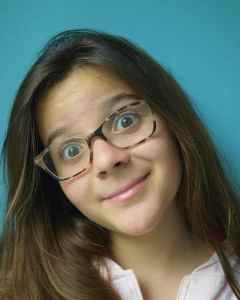
Elizabeth Klocek is a seventh-grader at The Seven Hills School in Ohio. She enjoys painting, drawing, playing with her puppy, and riding her bike when she is not creating and innovating in the kitchen. Elizabeth has participated in the Youth Wise Program for 3-years at the Creative Problem-Solving Institute Annual Conference. She loves to present her ideas in front of audiences and has co-presented with her mom on several occasions. I went from an in-person school to virtual learning in a matter of hours. Here is my student perspective on how my teachers did with this sudden transition. I have created a report card to “grade” each of my teachers on different rubrics that you can see below.
I was fortunate that my school already had been using an online platform, so the transition was less stressful, but there were some sticking points. Overall, my teachers did a pretty good job switching to virtual learning. I really liked the number of interactive activities related to what we were working on. I also liked the creativity of my teachers: we still had class sessions and group projects.
However, there a few recommendations I have for educators:
- Be open to innovate and make changes as needed.
- Ask the students for feedback and be open to ideate with them to find a solution for their concerns.
- Acknowledge that all students don’t learn the same way or have access to the same resources.
Takeaways:
- Students have their own perspective and can provide valuable feedback on strategies that work in the virtual classroom. Consider polling your students to discover what’s working in your classroom.
- Flexibility and creativity are critical to helping teachers adapt to a constantly changing environment. Consider developing short-term plans that allow for adaptability while continuing to work towards long-term goals.
- Acceptance is the first step towards a new future. Consider facilitating conversations about the change with your students, unpacking what’s new, and the implications of those changes so that everyone can navigate that shift together.
- One size doesn’t fit all. Consider including a variety of different approaches to create opportunities for all students to find success.

Wonderfully insightful, Elizabeth! You are such a gift, keep teaching by sharing your experiences and perspectives.
Thanks for sharing your experience, Elizabeth. I’m positive that other students agree with your thoughtful assessment.